Blog / 9 October 2026
The October heating checklist every Ohio homeowner should run
Six checks that take an afternoon and prevent the three failures we see most every first-freeze week.
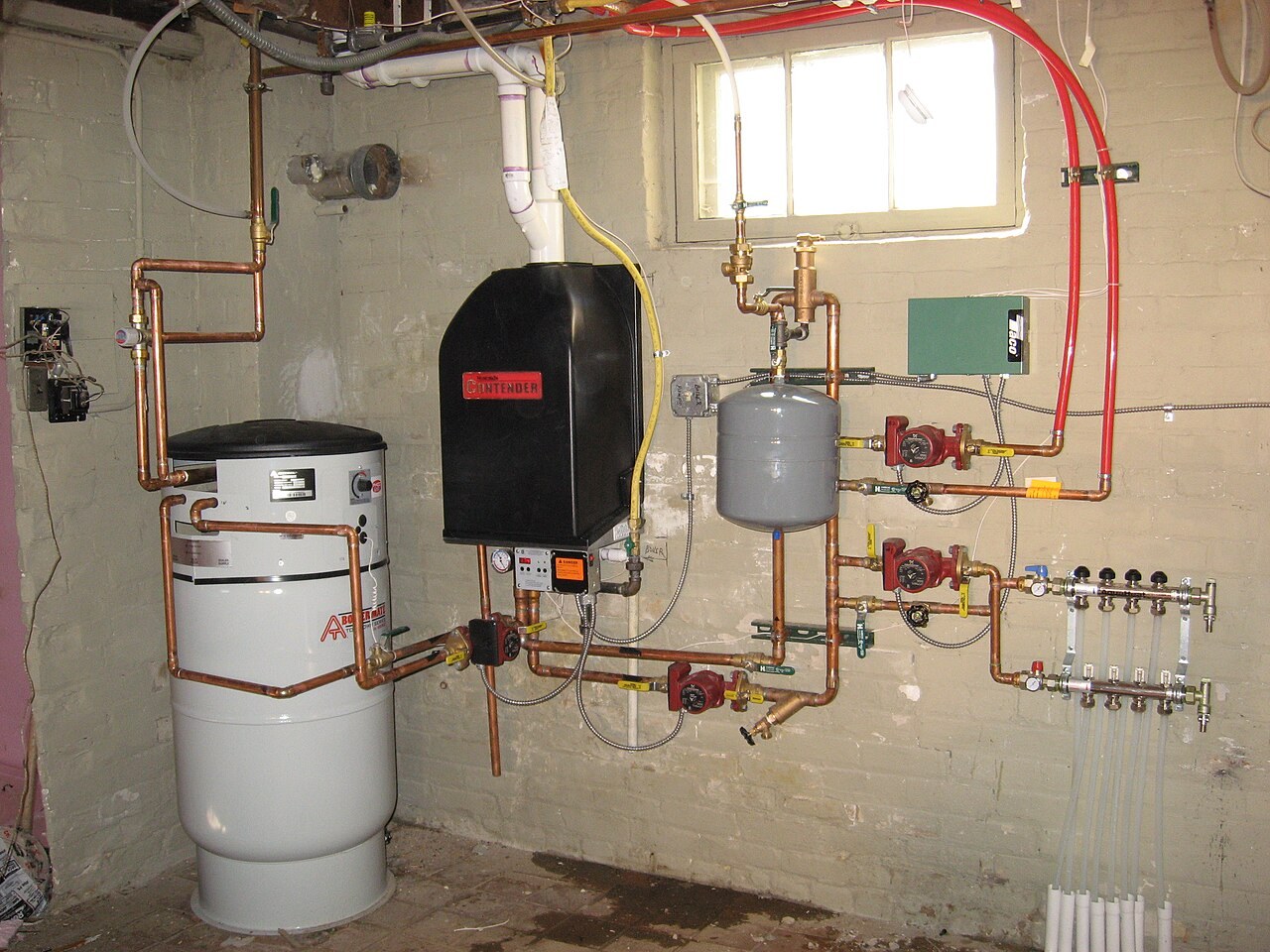
Every year, the first real cold snap turns our phones into a switchboard, and every year the same three failures dominate: ignitors dead from last season's last cycle, filters choked since spring, and thermostats whose batteries died politely over the summer. All three are preventable with one October afternoon. Here is the checklist our own technicians run at home, in order.
First, the filter: pull it, hold it to a light. If you cannot see light through it, replace it — a furnace breathing through a clogged filter overheats, short-cycles and dies years early. Second, the thermostat: fresh batteries if it has them, then a test call for heat to confirm the system answers. Third, a visual pass at the unit: look for rust streaks, soot, water under the boiler, or a vent that came loose — anything that looks wrong is worth a professional look before it becomes a January invoice.
Fourth, the carbon monoxide alarms: test the button, check the date stamp on the back, and replace anything older than seven years — sensors age out silently. Fifth, the outdoor area around the vent and intake pipes: clear leaves and mulch two feet in every direction; blocked intake pipes cause the exact lockouts that flood our phones on the first freezing night. Sixth, if your system has not seen a technician in a year or more: book the tune-up now, while the calendar is forgiving. The same visit in January costs the same money and takes three times the waiting.
Schedule service — fixed $89 diagnostic visit, deducted from the repair, one-year warranty. Or call +1 (614) 555-0138.
More from the blog
A real tune-up is eleven documented steps. A 49-dollar special is often two steps and a sticker.
Forced air and hot water are different machines with different failure modes, different lifespans and different repair economics.
CO is odorless, colorless, and produced by every gas heating system. The defenses are cheap and specific.