Blog / 28 August 2026
Carbon monoxide: the heating-season risk that gives no warning
CO is odorless, colorless, and produced by every gas heating system. The defenses are cheap and specific.
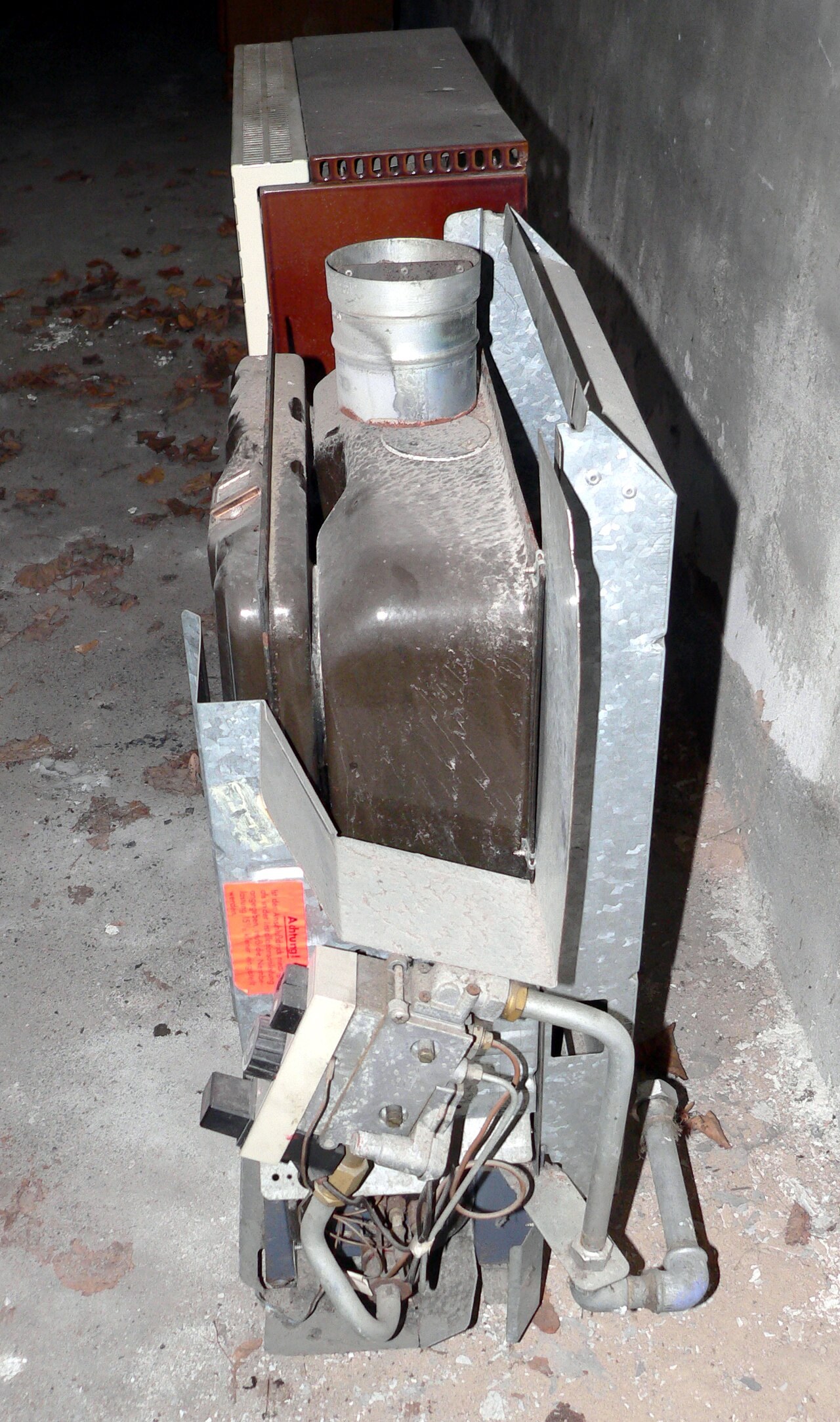
Every gas furnace and boiler produces carbon monoxide as a byproduct of combustion; the engineering assumption is that it all goes up the vent. When venting degrades — rusted flues, blocked intake pipes, cracked exchangers, backdrafting water heaters — CO spills into the living space instead. The symptoms mimic everything: headache, nausea, fatigue, a flu that clears when you leave the house. That last detail is the one to remember.
The defense has three layers, and none is expensive. Layer one: alarms on every level and outside every sleeping area, with date stamps checked — sensors are rated for about seven years and then lie to you quietly. Layer two: a pre-season combustion check, which measures what is actually coming out of your appliances, in numbers, before the heating season runs them eight hours a day. Layer three: knowing the yellow-flame rule — gas flames should burn blue; persistent yellow or lazy flames mean incomplete combustion and deserve a call.
If an alarm sounds: fresh air first, people and pets out, then call 911 from outside, and do not re-enter until the fire department clears it. After any CO event, have the heating system professionally diagnosed before it runs again — the event found a problem, and the problem does not fix itself.
Schedule service — fixed $89 diagnostic visit, deducted from the repair, one-year warranty. Or call +1 (614) 555-0138.
More from the blog
Six checks that take an afternoon and prevent the three failures we see most every first-freeze week.
A real tune-up is eleven documented steps. A 49-dollar special is often two steps and a sticker.
Forced air and hot water are different machines with different failure modes, different lifespans and different repair economics.